SEC Plans to Allow Tokenized Stocks Trading: Report
Key Highlights
- The SEC is reportedly developing a framework to allow U.S. stocks to be traded as tokens on blockchain networks
- Major financial institutions are already preparing themselves for this change
- Some critics, including market makers like Citadel Securities, previously raised concerns over the concept of tokenization
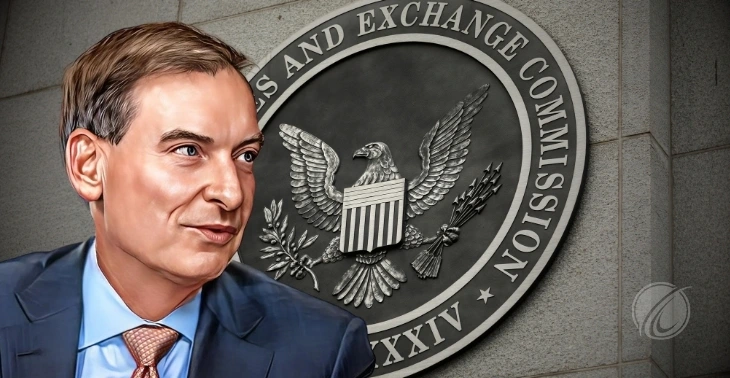
The U.S. Securities and Exchange Commission is reportedly fast-tracking a framework to bring traditional stock trading onto blockchain networks.
🇺🇸 SEC IS STRONGLY PUSHING TO ALLOW STOCKS TO TRADE ONCHAIN LIKE #BITCOIN AND CRYPTO
IT’S HAPPENING!!! pic.twitter.com/qvSkppBL4d
— Vivek Sen (@Vivek4real_) September 30, 2025
This initiative, which could launch within months pending regulatory approval, is expected to grant conventional equities the same around-the-clock liquidity and instant settlement currently enjoyed by cryptocurrencies, according to the report from The Information.
This new regulatory framework shows the most crucial regulatory step yet toward merging traditional finance with the digital asset ecosystem.
SEC Plans to Integrate Blockchain-based Solutions
The core mechanism behind this shift is tokenization, a process that converts a share of stock into a digital token on a distributed ledger.
These tokenized equities would confer identical ownership rights, including dividends and voting power, as their traditional counterparts. The profound difference lies in the settlement process.
Existing markets operate on a T+1 cycle, meaning a trade finalizes a day after the transaction, as the process involves multiple intermediaries. Tokenized stocks could achieve T+0 or instant settlement, a change that industry analysts project could reduce operational costs and counterparty risks by a substantial margin.
This plan is being introduced by SEC Chair Paul Atkins, who has publicly framed the transition as an inevitable technological evolution.
The initiative, known internally as “Project Crypto,” wants to establish a unified regulatory playing field for the trading, lending, and staking of these digital assets.
Commissioner Hester Peirce, who has been the biggest advocate for blockchain-based innovation, is in the critical discussion on integrating traditional finance with decentralized finance.
Peirce has consistently affirmed that tokenized stocks remain securities under the law, which requires full compliance with federal disclosure and custody rules, even as she champions “regulatory sandboxes” to accelerate development.
“Tokenization may facilitate capital formation and enhance investors’ ability to use their assets as collateral. Enchanted by these possibilities, new entrants and many traditional firms are embracing onchain products. As powerful as blockchain technology is, it does not have magical abilities to transform the nature of the underlying asset. Tokenized securities are still securities. Accordingly, market participants must consider—and adhere to—the federal securities laws when transacting in these instruments,” Commissioner Hester M. Peirce stated in an official statement.
Major financial institutions are already in the process of positioning themselves for this new paradigm. The Nasdaq stock exchange has submitted a landmark proposal to the SEC to get permission to list tokenized stocks and ETFs alongside their conventional versions on the same trading platform.
This integration would be a first for a major U.S. exchange. Meanwhile, retail brokerages like Coinbase and Robinhood are actively lobbying for a swift rollout, with Robinhood already providing tokenized U.S. equity access to its European client base.
Critics Oppose Tokenization of Stocks
However, the SEC’s initiative might also face resistance from its critics. Established Wall Street entities, led by market maker Citadel Securities, have voiced strong opposition. The group warned the commission in formal correspondence that granting excessive flexibility could fragment market liquidity. This could also damage investors and compromise the safety of their investment.
Some people, including SEC Commissioner Caroline Crenshaw, have raised alarms over a “field of dreams” scenario. This points to unquantified risks such as vulnerabilities in smart contracts, potential for market manipulation, and the ability of blockchain networks to handle the immense trading volume of Fortune 500 companies.
Earlier, the Securities Industry and Financial Markets Association (SIFMA) stated in a letter that there is a “significant concern” about reports of crypto firms submitting no-action or exemptive relief to allow them to offer tokenized equities or securities.
The debate now centers on whether the profound efficiencies of blockchain technology, instant settlement, fractional ownership, and automated compliance can be safely harnessed within the world’s largest financial market.

Rajpalsinh is a crypto journalist with over three years of experience and is currently working with CryptoNewsZ. Throughout his journey, he has honed skills like content optimization and has developed expertise in blockchain platforms, crypto trading bots, and hackathon news and events. He has also written for TheCryptoTimes, where his ability to simplify complex crypto topics makes his articles accessible to a wide audience. Passionate about the ever-evolving crypto space, he stays updated on industry trends to provide well-researched insights. Outside of work, gaming serves as his stress buster, helping him stay focused and refreshed for his next big story. He is always eager to explore new blockchain innovations and their potential impact on the global financial ecosystem.