White House Seeks New CFTC Chair After Nominee Stalls

Key Highlights
- Brian Quintenz’s confirmation to lead the CFTC is facing delays and opposition
- Popular figures like the Winklevoss twins are lobbying against the nominee over regulatory concerns
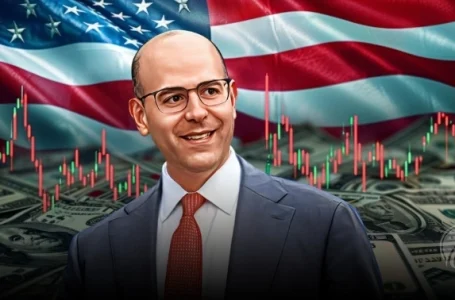
President Donald Trump had nominated Brian Quintenz, a former commissioner of the Commodity Futures Trading Commission (CFTC), to lead the agency that oversees futures and derivatives markets, including cryptocurrency derivatives.
Crypto-Focused Officials Join CFTC Chair Candidates as Quintenz Confirmation Stalls: BBG
CFTC is the U.S. Commodity Futures Trading Commission, responsible for regulating futures, options, and derivatives markets, including crypto-related products. Brian Quintenz, a former CFTC…
— KeyNews (@KeyNewsEN) September 18, 2025
However, his confirmation process has stalled in the Senate due to concerns from various groups.
The United States government is searching for new candidates to lead an important financial regulatory agency, Commodity Futures Trading Commission (CFTC), after the current nominee faced major opposition from both industry leaders and political critics.
The situation shows the ongoing debate about how to regulate cryptocurrency markets while balancing innovation with consumer protection.
Who is Quintenz
Quintenz is known for his supportive stance toward cryptocurrency innovation. During his previous time at the CFTC from 2017 to 2021, he helped approve the first regulated Bitcoin futures contracts, which was a significant step toward mainstream acceptance of digital assets.
More recently, he worked at Andreessen Horowitz, a major venture capital firm that invests heavily in cryptocurrency projects.
Despite his experience and industry support, Quintenz has faced opposition from several directions. Tyler and Cameron Winklevoss, the founders of cryptocurrency exchange Gemini, have lobbied against his nomination due to disagreements over regulatory approaches.
There have also been concerns about his involvement with Kalshi, a prediction market platform that some critics suggest might present conflicts of interest.
White House Rushes to Find New CFTC Chair Candidate
The debate over Quintenz’s nomination shows the latest tensions in cryptocurrency regulation. Supporters argue that the United States needs regulators who understand emerging technologies and can create clear rules that encourage innovation while protecting consumers.
They point out that excessive regulation could push cryptocurrency development to other countries with more favorable policies.
Opponents worry that industry-friendly regulators might not provide sufficient oversight of a market known for volatility and occasional fraudulent activities.
They emphasize the need for strong consumer protections and clear rules to prevent market manipulation and other harmful practices.
With Quintenz’s nomination stalled, the White House is considering alternative candidates with cryptocurrency experience.
Potential replacements include current CFTC commissioner Summer Mersinger, who has criticized aggressive enforcement against decentralized finance projects, and Marco Santori, a former legal executive at cryptocurrency exchange Kraken.
The leadership vacuum at the CFTC comes at a critical time for cryptocurrency regulation. The agency currently has several vacant commissioner positions, and its acting chair is preparing to leave for a position in the private sector.
This shortage of leadership could delay important policy decisions at a time when cryptocurrency markets are growing rapidly and becoming more integrated with traditional finance.
Trump Administration Sees Pro-Crypto Leadership
The situation also reflects the Trump administration’s broader approach to cryptocurrency regulation. Since taking office in January 2025, the administration has appointed several officials with favorable views toward digital assets to key regulatory positions.
The Securities and Exchange Commission, under new leadership, has dropped several high-profile lawsuits against cryptocurrency companies and has taken a more collaborative approach to regulation.
These changes have been welcomed by the cryptocurrency industry, which has long complained about unclear regulations and aggressive enforcement actions.
Industry representatives report increased innovation and investment in the United States since the policy shift began. However, consumer advocates continue to express concerns about whether sufficient protections are in place for ordinary investors.
The outcome of this leadership decision will significantly impact how cryptocurrency markets develop in the United States.
A more industry-friendly CFTC chair might approve new types of cryptocurrency derivatives products and take a lighter approach to enforcement. A more cautious appointee might focus more on consumer protection and maintaining traditional market safeguards.
As the administration continues its search for suitable candidates, the cryptocurrency industry and consumer advocates alike are watching closely.
The decision will likely influence whether the United States becomes a global leader in cryptocurrency innovation or takes a more cautious approach to these emerging financial technologies. With cryptocurrency markets continuing to grow and evolve, the need for clear and balanced regulation has never been more important.

Rajpalsinh is a crypto journalist with over three years of experience and is currently working with CryptoNewsZ. Throughout his journey, he has honed skills like content optimization and has developed expertise in blockchain platforms, crypto trading bots, and hackathon news and events. He has also written for TheCryptoTimes, where his ability to simplify complex crypto topics makes his articles accessible to a wide audience. Passionate about the ever-evolving crypto space, he stays updated on industry trends to provide well-researched insights. Outside of work, gaming serves as his stress buster, helping him stay focused and refreshed for his next big story. He is always eager to explore new blockchain innovations and their potential impact on the global financial ecosystem.